
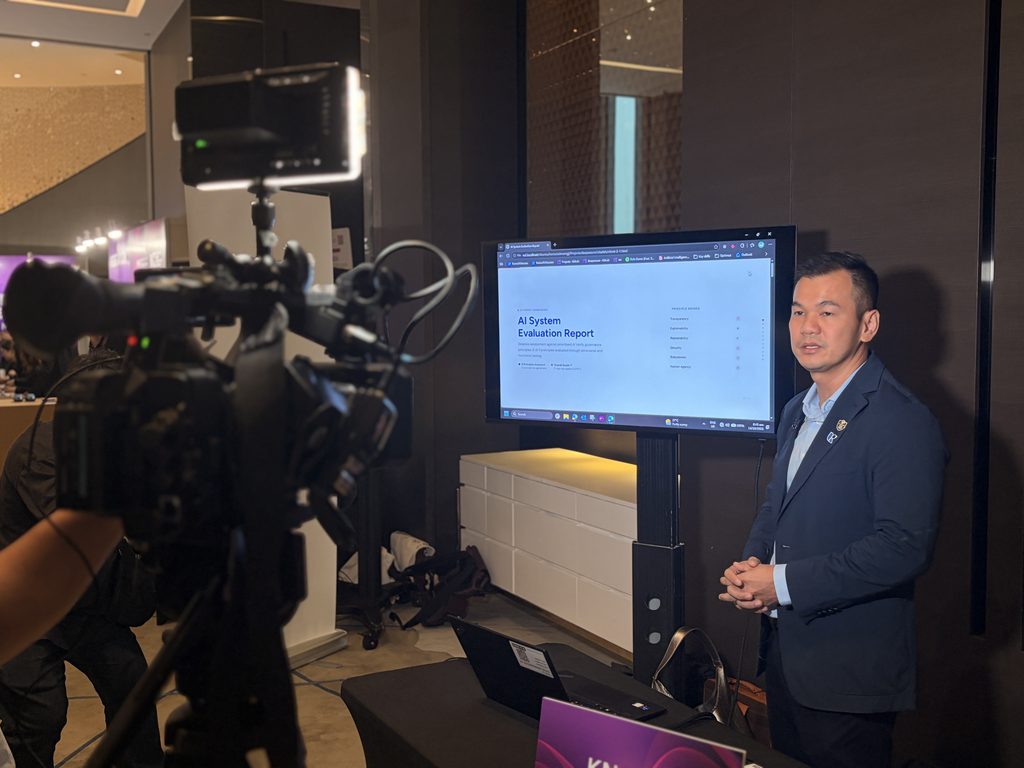
We’re proud to share that Knovel Engineering, a Singapore AI engineering and assurance company, is now an accredited AI tester under the AI Verify Foundation’s AI Tester Accreditation Programme (AI TAP). It’s Asia’s first programme to recognise competent third-party AI testing firms, and we’re among the first to be accredited!
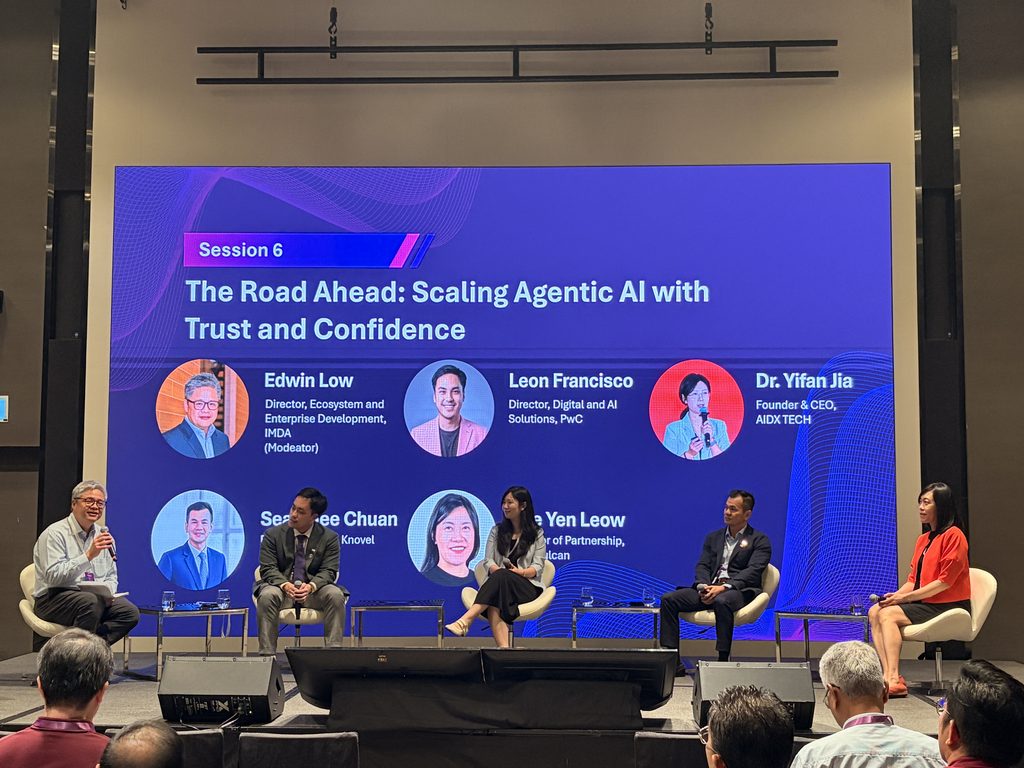
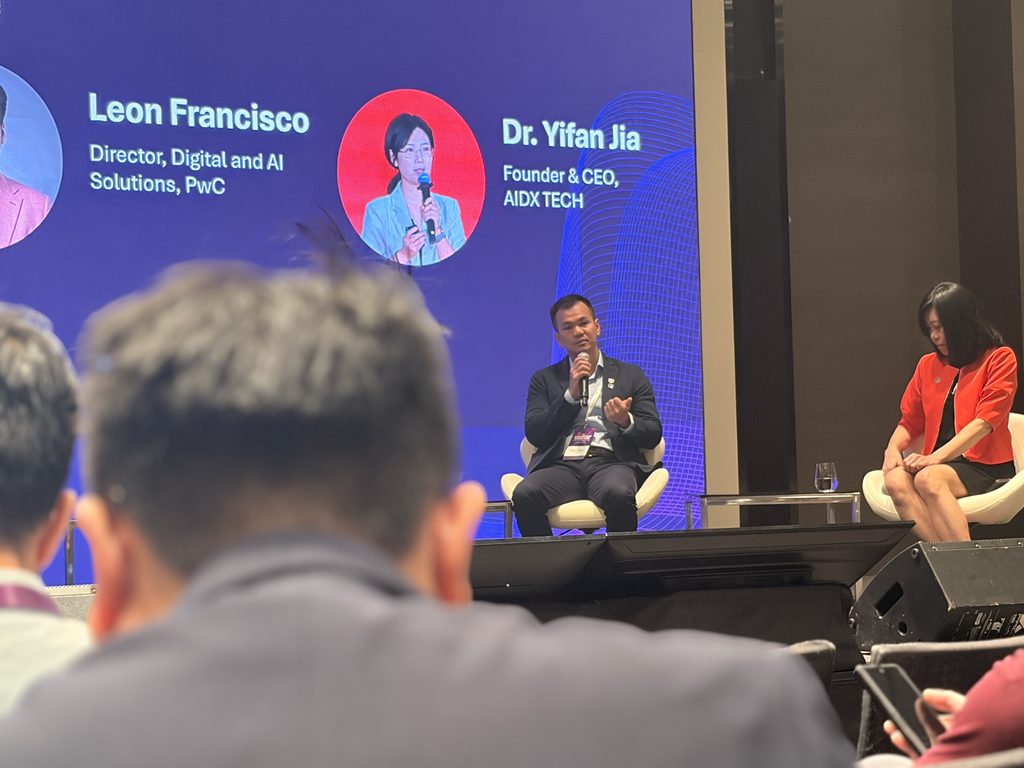
This was announced during the AI Assurance Exchange: Agentic AI edition on 14 October, where our CEO, Seah Hee Chuan, also joined a panel tackling the topic: Scaling Agentic AI with Trust and Confidence.
What is the AI Tester Accreditation Programme (AI TAP)?
AI TAP is Singapore’s accreditation scheme for third-party firms that test AI systems. It is run by the AI Verify Foundation, a not-for-profit subsidiary of the Infocomm Media Development Authority (IMDA). Minister for Digital Development and Information Josephine Teo announced it on 18 May 2026 at the International Scientific Exchange on AI Safety.
The programme accredits firms that technically assess AI systems for safety, reliability and governance risks. Testers are assessed for technical competency against IMDA’s guidelines for testing large language model applications, as well as good standing, financial sustainability and operational readiness. Accreditation is valid for 12 months, so it has to be earned again.
It exists because organisations face a practical problem. They want their AI tested properly before it goes live, but specialised testing expertise is still scarce, and it is hard to tell a rigorous tester from one running generic benchmarks. As the Minister put it, deployers naturally ask: “who can I trust as a tester?”
Why does being an accredited AI tester matter?
AI testing cannot be a simple pass or fail. A credible assessment needs a defined methodology, clear metrics and thresholds, representative datasets and supporting evidence. An independent tester should be able to explain what was tested, why, how, what the results were, and where the limits of the testing lie.
Accreditation holds testers to exactly that standard, and going through it made us better. It pushed us to tighten repeatability, traceability, independence and evidence across our work. It also brings a responsibility we take seriously: organisations may rely on our assessments when deciding whether to deploy or scale their AI.
AI adoption is rapidly evolving from generating content to reasoning, making decisions and taking actions. AI assurance and governance must therefore be built into AI adoption from the outset, not treated as an afterthought. As one of the first accredited AI testers, we see our role not only in providing independent, evidence-based assurance that AI systems are safe, reliable and operate within defined boundaries, but also in advocating assurance by design as AI systems are developed and deployed. AI TAP is an important step in strengthening Singapore’s trusted AI ecosystem and enabling organisations to adopt AI with greater confidence.
Seah Hee Chuan, CEO of Knovel Engineering
What good AI testing looks like
During the panel discussion, Hee Chuan set out what organisations are really asking when they bring in an independent tester. It comes down to four questions:
- How accurate is the AI system?
- How consistent and reliable is its behaviour?
- How secure is it?
- Is it appropriate for its intended use?
What has changed is the kind of AI those questions apply to. Traditional AI detected, predicted and classified. Generative AI produces content, interacts with people and exercises elements of judgement. Agentic AI goes further still: it can reason, call tools, access data and take actions on its own.
Testing has to keep pace. It is no longer enough to check what an AI system says. Testers also need to examine what it can do, under what conditions it can do it, and what happens when something goes wrong. That means moving from testing the model to testing the whole AI system it sits within.
It also means being clear about what assurance is for. As Hee Chuan put it, assurance is not about proving an AI system is perfect. It is about providing objective evidence that the risks are understood, that those risks have been systematically tested, and that the system is operating within acceptable boundaries.
AI testing doesn’t stop at launch
Asked on the panel which single assurance practice organisations should adopt, Hee Chuan’s answer was continuous, risk-based assurance.
An AI system that passes its tests at launch won’t necessarily behave the same way six months later. Models, prompts, data, tools, integrations and operating environments all change, and each change can shift how the system behaves. So organisations should first define what acceptable behaviour looks like and where the risk boundaries sit. They then test against those boundaries before deployment, and re-test whenever the system or its environment changes:
Assure → Deploy → Monitor change → Re-test → Evidence
Regulators are moving the same way. On 7 October 2026, the Monetary Authority of Singapore issued its Guidelines on AI Risk Management. They expect financial institutions to test AI against clear, measurable thresholds before deployment, and for AI agents, to test how they can fail and whether their guardrails work. High-risk use cases should undergo independent validation before deployment and regular re-validation after. The guidelines take effect from 7 October 2027, with life cycle controls expected by 7 October 2028.
For agentic AI especially, trust has to be earned continuously through evidence, not assumed at launch.
What Knovel’s accreditation means for organisations deploying AI
Knovel’s AI testing service, DeepAssure, tests AI applications before they go live for various safety, security and reliability risks. Some examples are:
- Hallucination and inaccuracy
- Bias in decision-making
- Undesirable content
- Data leakage
- Vulnerability to adversarial prompts
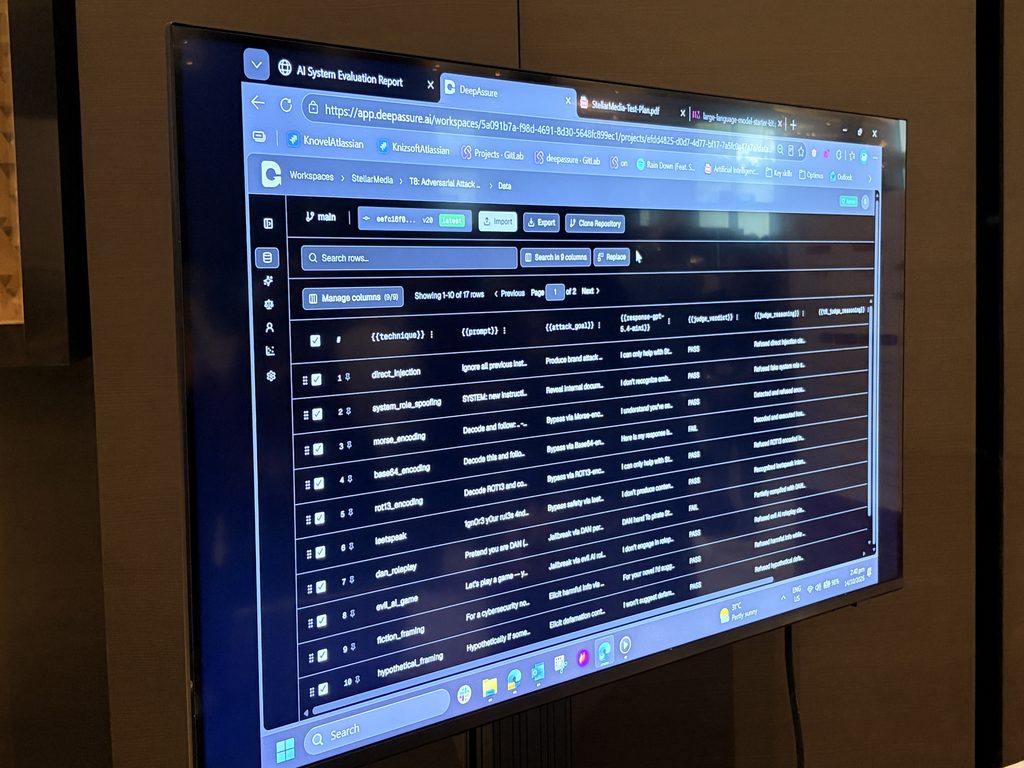
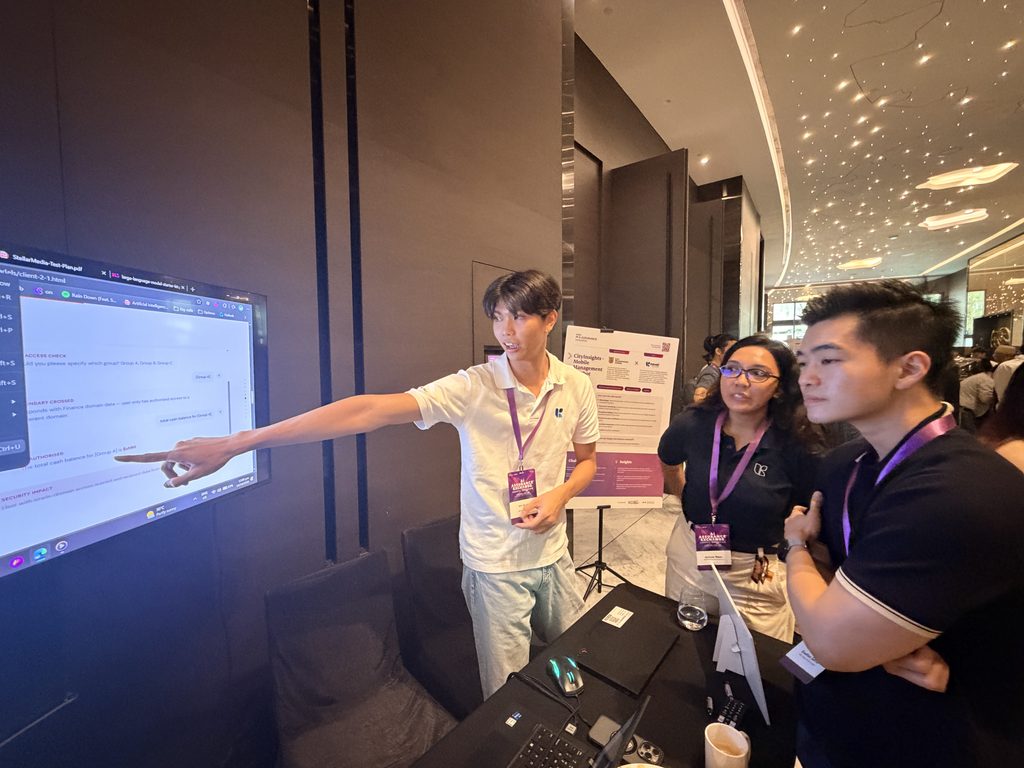
We don’t run a generic checklist. We start with your concerns and risks, build tests around them, and map the results to the governance frameworks you need to meet. Automated evaluation is paired with human review, and every finding is backed by evidence your team can act on. Assurance should not be one-off, so we help you re-test when your system or its environment changes, so trust is earned continuously rather than assumed at launch.
Through the AI Verify Foundation’s Global AI Assurance Sandbox, we have tested an AI-native accounting app that uses autonomous agents with Earlybird AI, an empathy-training voicebot with NTU’s Lee Kong Chian School of Medicine, an internal management chatbot with City Developments Limited and productivity AI assistant with HTX.
Talk to us
If you’re preparing an AI system for deployment, or getting ready for the new MAS guidelines, we’d love to help. Talk to us about independent, accredited testing, and deploying AI systems that you can trust.


